What Is a Mobile Proxy?
A mobile proxy is a type of proxy server that routes internet traffic through IP addresses assigned by mobile network operators. These IPs are the same ones used by smartphones and tablets when they connect to the internet over cellular networks.
Because mobile IP addresses are shared by many real users and rotate frequently, they are generally considered more trustworthy by websites than datacenter IPs. For this reason, mobile proxies are commonly used for tasks that require higher legitimacy, such as web data collection, social media management, and ad verification.
What Is a 4G Proxy?
A 4G proxy is a specific type of mobile proxy that uses IP addresses provided by 4G/LTE mobile networks. In practice, most mobile proxies available today rely on 4G connections, as they are widely supported and offer a good balance between stability and availability.
The terms mobile proxy and 4G proxy are often used interchangeably, but technically a mobile proxy can also include other mobile network types, such as 3G or 5G. When people refer to a 4G proxy, they usually mean a mobile proxy backed by real LTE carrier infrastructure.
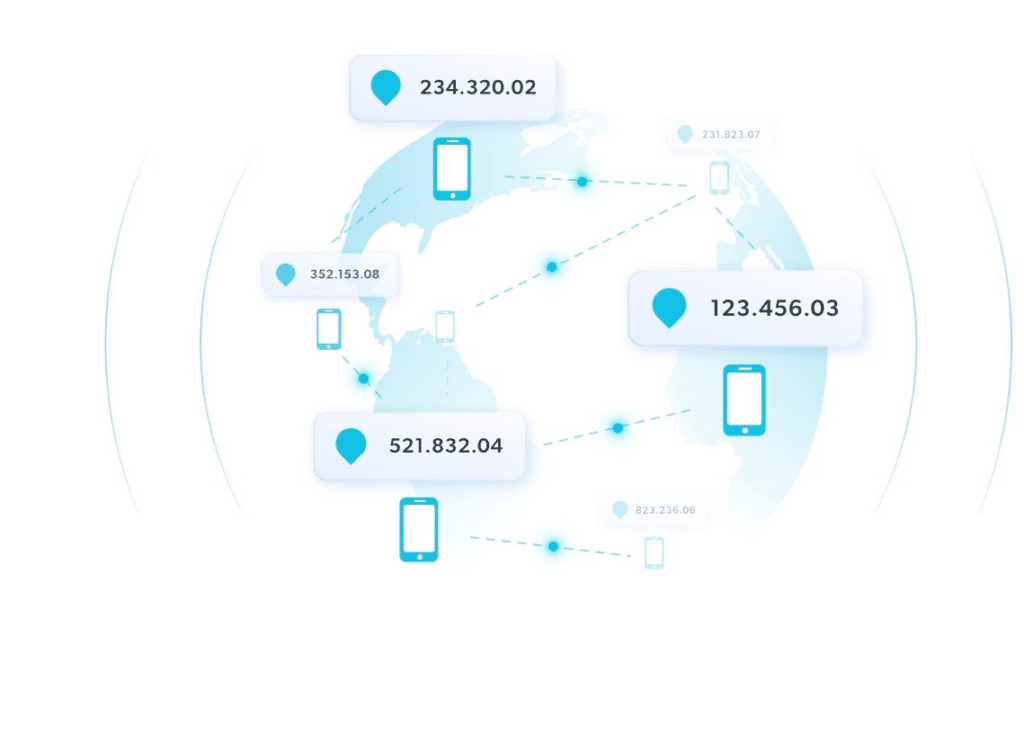
How 4G Proxies Work
4G proxies operate by routing requests through mobile carrier networks instead of traditional datacenters or home ISPs.
When you send a request through a 4G proxy:
- The traffic is forwarded through a mobile gateway or device connected to a cellular network
- The target website sees the request as coming from a real mobile user
- The IP address may change automatically due to carrier network behavior
Most mobile carriers use carrier-grade NAT (CGNAT), meaning many devices share a limited pool of IP addresses. As a result, IP rotation happens naturally, even without manual switching.
This shared and dynamic nature is one of the main reasons 4G proxies are harder to identify and block.
What is the source of mobile proxies ?
The source of mobile proxies typically involves obtaining access to mobile IP addresses through partnerships with mobile network operators or mobile virtual network operators (MVNOs). Here are the common sources of mobile proxies:
1. Mobile Network Operators (MNOs)
Mobile network operators are companies that provide cellular network services to mobile device users. These operators allocate IP addresses to mobile devices connected to their networks. Proxy providers may establish partnerships with MNOs to obtain access to a pool of mobile IP addresses for use as mobile proxies.
2. Mobile Virtual Network Operators (MVNOs)
MVNOs are companies that lease wireless network infrastructure from MNOs and provide mobile services under their brand. Similar to MNOs, MVNOs allocate IP addresses to mobile devices connected to their networks. Proxy providers may partner with MVNOs to acquire mobile IP addresses for use as mobile proxies.
3. Residential Mobile Devices
Some mobile proxy providers may utilize residential mobile devices owned by individuals who opt into sharing their internet connection in exchange for compensation. These devices are configured to act as proxy endpoints, allowing their mobile IP addresses to be used as mobile proxies.
4. SIM Card Pooling
Some proxy providers may acquire SIM cards from mobile operators or MVNOs and use them to establish connections to mobile networks. Each SIM card is associated with a unique mobile IP address, which can be used as a mobile proxy.
It’s important to note that the source of mobile proxies can vary depending on the proxy provider and the specific methods they employ to acquire mobile IP addresses. Additionally, the legality and ethical considerations surrounding the use of mobile proxies may vary by jurisdiction and should be carefully considered by both proxy providers and users.
Here’s how mobile proxies work:
1. Mobile Devices
Mobile proxies utilize real mobile devices, such as smartphones or tablets, to establish connections to the internet. Each mobile device is assigned a unique IP address by the mobile network provider.
2. Proxy Server
A proxy server software is installed on the mobile device, which allows it to act as an intermediary between the client device (user) and the internet. The proxy server intercepts incoming and outgoing internet traffic from the mobile device.
3. Routing Traffic
When a user sends a request to access a website or online service, the request is routed through the mobile proxy server. The proxy server then forwards the request to the destination server on behalf of the user.
4. IP Address Masking
The destination server sees the request as originating from the IP address assigned to the mobile device by the mobile network provider, rather than the user’s real IP address. This provides a level of anonymity and privacy for the user.
5. Rotating IPs
Some mobile proxy services offer rotating IP addresses, where the proxy server periodically switches between different mobile devices and their associated IP addresses. This helps to avoid detection and blocking by websites and online services.
Our mobile network has four rotation setups:
1) 5min auto IP rotations (only for Premium orders) – your proxy will rotate into a new IP at every 5 minutes.
2) 10min auto IP rotations ( only for Premium orders) – your proxy will rotate into a new IP at every 10 minutes.
3) 30min auto IP rotations (for both Premium and Standard orders) – your proxy will rotate into a new IP at every 30 minutes.
4) Extended rotations (for both Premium and Standard orders) – you’ll be allocated IPs with extended rotation periods that can last for up to 6 hours.
If you need more details regarding our mobile proxies click here.
Also if you need help placing an order for mobile proxies please click here: https://hydraproxy.com/how-to-order/
There are several reasons why you might choose to use a mobile proxy:
1. Anonymity: Mobile proxies provide a higher level of anonymity compared to other types of proxies because they route internet traffic through real mobile devices with dynamic IP addresses. This makes it more challenging for websites and online services to identify and track users’ online activities.
2. Bypass Restrictions: Mobile proxies can help users bypass geo-restrictions and access content that may be restricted or blocked in their region. By routing internet traffic through mobile IP addresses associated with different geographic locations, users can access region-specific content, services, and websites.
3. Avoid Detection and Blocking: Mobile proxies can help users avoid detection and blocking by websites and online services. Since the IP addresses used by mobile proxies are associated with mobile devices and mobile data networks, they are less likely to be blacklisted or flagged as proxy traffic.
4. Web Scraping and Automation: Mobile proxies are commonly used for web scraping and data collection tasks. By rotating through mobile IP addresses, users can gather data from websites without being detected or blocked. Mobile proxies also allow for automation of tasks such as account creation, posting, and engagement on social media platforms.
5. Ad Verification and Marketing: Advertisers and marketers use mobile proxies to verify the placement and visibility of online advertisements. By simulating real mobile device traffic, they can ensure that ads are displayed correctly and reach the intended audience.
6. Privacy and Security: Mobile proxies provide an added layer of privacy and security for users’ online activities. By masking users’ real IP addresses and encrypting internet traffic, mobile proxies help protect against surveillance, tracking, and interception of sensitive information.
Overall, mobile proxies offer a versatile solution for accessing the internet anonymously, bypassing restrictions, gathering data, and performing various online activities while leveraging the mobility and diversity of mobile device networks. However, it’s essential to use mobile proxies responsibly and in compliance with the terms of service of the websites and services being accessed.
Why Websites Trust 4G Proxies
Websites are generally cautious when blocking mobile IP ranges because doing so may affect legitimate users. Mobile IP addresses:
- Belong to well-known telecom providers
- Are shared by many real devices
- Change regularly without user control
- Reflect normal mobile browsing behavior
For platforms with strict abuse prevention systems, traffic from mobile networks often appears more natural than traffic from static or datacenter-based IPs.
Limitations of 4G Proxies
Although 4G proxies offer strong trust signals, they are not suitable for every situation.
Some limitations include:
- Higher cost compared to residential or datacenter proxies
- Variable connection speed due to mobile network conditions
- Limited control over individual IP addresses
- Not ideal for bandwidth-heavy tasks
Using mobile proxies aggressively or without regard for platform rules can still lead to blocks or restrictions.
When a 4G Proxy May Not Be Necessary
A 4G proxy may not be the best option if:
- Speed and consistency are the top priority
- Static IP addresses are required
- The target website has minimal filtering
- The task involves internal testing or development
In these cases, residential or ISP proxies may be more appropriate.
Related Topics
To learn more about proxy usage and configuration, you may also find these guides useful:
- Rotating 4G proxies and IP rotation methods
- Using mobile proxies for Instagram
- Proxy requirements for TikTok
Summary
Mobile proxies, including 4G proxies, provide access to IP addresses that closely resemble real mobile users. This makes them useful for situations where trust and authenticity are important. However, they also come with trade-offs in cost and performance.
Choosing the right proxy type depends on the specific requirements of your project and the level of protection used by the target platform.