4G vs 5G Mobile Proxies: Which One Do You Need for High-Speed Scraping?
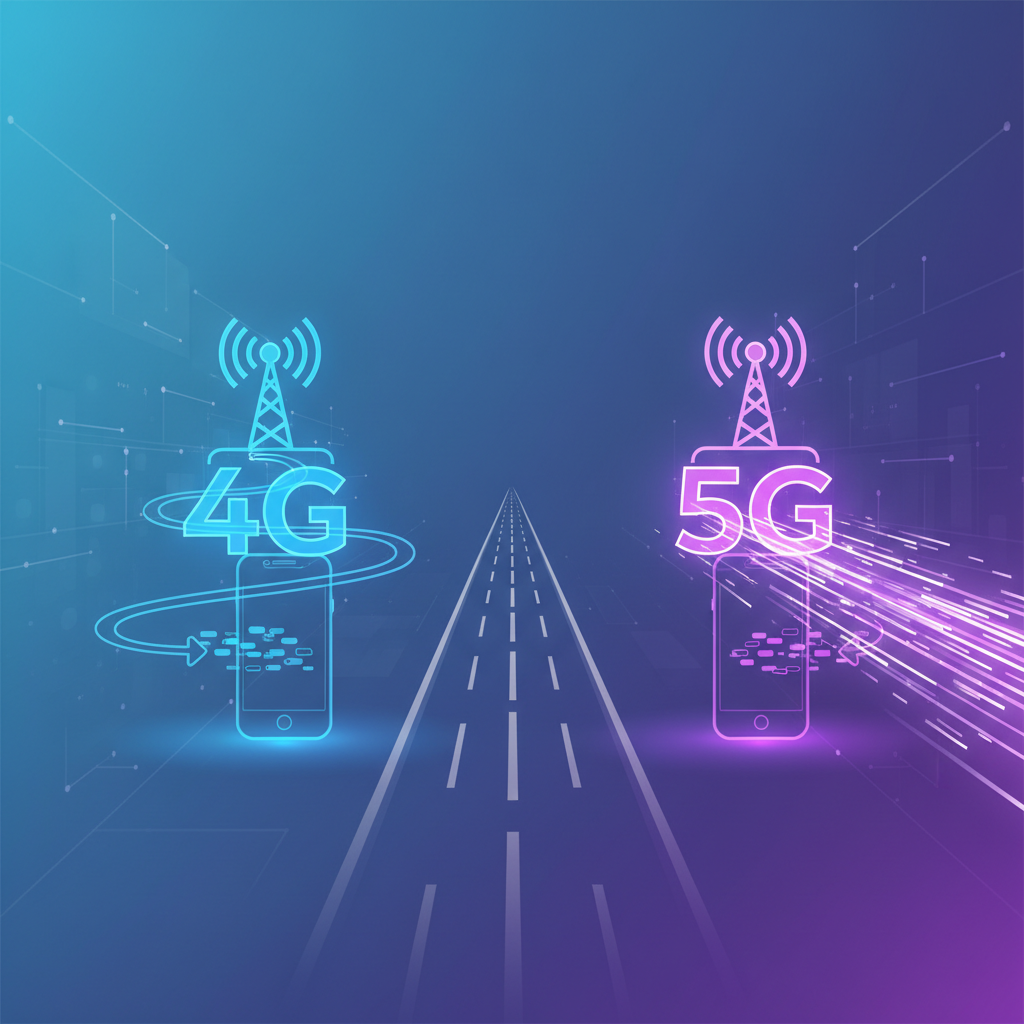
TL;DR: The primary difference between 4G and 5G proxies lies in bandwidth capacity and response times. While 4G is reliable and cost-effective for general automation, 5G mobile proxies offer ultra-low latency (under 10ms) and speeds exceeding 1Gbps, making them essential for heavy data scraping, video streaming, and real-time market monitoring in 2026.
4G vs 5G Mobile Proxies: Which One Do You Need for High-Speed Scraping?
In the data-driven landscape of 2026, the efficiency of your web scraping operation hinges on the quality of your IP addresses. As websites become more sophisticated in detecting bots, mobile proxies have emerged as the gold standard for anonymity. However, the choice between 4G and 5G connections often leaves developers questioning the ROI.
The difference between 4G and 5G proxies isn’t just about a brand name; it’s about the underlying architecture of the mobile network. 5G offers significantly higher throughput and lower latencies, which are critical for high-volume scraping. Meanwhile, 4G remains a robust, widely available alternative that satisfies most social media management and light scraping needs. This guide breaks down the technical specifications, performance metrics, and use cases to help you choose the right tool for 2026’s internet infrastructure.
Understanding the Difference Between 4G and 5G Proxies
To understand why one might be better for your specific project, we must look at how these mobile networks function. Both proxy types use IP addresses assigned by mobile carriers (like Verizon, T-Mobile, or Vodafone) to real cellular devices.
The 4G Architecture (LTE)
4G, or Long-Term Evolution, has been the backbone of mobile scraping for years. It operates on lower frequency bands, which provide excellent coverage but have a “ceiling” for data transfer speeds. In a proxy context, 4G IPs are highly trusted by websites because they are shared by thousands of real mobile users via CGNAT (Carrier Grade Network Address Translation).
The 5G Revolution
5G proxies leverage New Radio (NR) frequencies. By 2026, 5G SA (Standalone) networks have become the global standard, offering “network slicing.” This allows for dedicated lanes of traffic, reducing interference. For a scraper, this means the IP you are using is less likely to be throttled by the carrier, even during peak hours.
Performance Metrics: 5G Mobile Proxy Speed Test
When evaluating proxies for high-speed scraping, raw speed is the most visible differentiator. A 5G mobile proxy speed test in 2026 typically reveals a staggering gap compared to its 4G predecessor.
Download and Upload Throughput
On average, a 4G mobile proxy delivers speeds between 20 Mbps and 100 Mbps. While this is sufficient for basic web browsing or managing a few Instagram accounts, it can become a bottleneck when scraping high-resolution media or large JSON datasets.
In contrast, 5G proxies frequently exceed 500 Mbps, with high-end setups reaching 1-2 Gbps. This allows developers to run hundreds of concurrent threads without the bandwidth “choking” the connection.
Consistency Under Load
One often overlooked aspect of speed is consistency. 4G networks are more prone to congestion. If you are scraping during peak usage times in a major city, your 4G proxy speed may drop significantly. 5G is designed to handle a much higher density of devices, ensuring that your scraping scripts maintain a steady bitrate regardless of local network traffic.
Latencies of Mobile Proxies: The Silent Performance Killer
While speed gets the headlines, latency—the time it takes for a data packet to travel from your server to the destination and back—is actually more important for scraping efficiency.
Impact of High Latency
High latency results in “idle time” for your scrapers. If you are performing thousands of small requests, a 100ms delay per request adds up to significant downtime. 4G proxies typically exhibit latencies ranging from 60ms to 150ms depending on the signal strength and tower distance.
The 5G Latency Advantage
The latencies of mobile proxies on 5G networks are transformative. By 2026, ultra-reliable low-latency communication (URLLC) has brought 5G proxy ping times down to the 5ms–20ms range.
For high-speed scraping, low latency means:
- Faster TCP handshakes.
- Quicker SSL/TLS negotiations.
- Rapid detection of blocks or captchas, allowing for immediate IP rotation.
Why Technical Architecture Matters for Scraping
Choosing a proxy isn’t just about speed; it’s about how the proxy interacts with your scraping stack. Many developers forget that how their code communicates with the proxy determines the final output quality.
How proxies are used for web scraping involves more than just masking an IP; it involves managing headers, rotating sessions, and mimicking human behavior. 5G proxies provide a “cleaner” signal that is less likely to be flagged by Advanced Bot Protection (ABP) systems. Because 5G is the modern standard for consumers in 2026, a 5G IP signature looks more “natural” to a server than an aging 4G signature.
CGNAT and Reputation
Both 4G and 5G use CGNAT, which is a massive advantage for scrapers. Because a single IP is shared by hundreds of legitimate users, websites are hesitant to ban the IP entirely. If they did, they would block hundreds of potential real customers. 5G IPs, being newer, often have a “fresher” reputation than 4G IPs that may have been abused over the last decade.
Cost vs. Benefit: Is 5G Worth the Premium?
As of 2026, 5G mobile proxies still carry a premium price tag compared to 4G. To decide if the investment is worth it, you must analyze your specific use case.
When to Stick with 4G
- Social Media Automation: Platforms like TikTok or Instagram don’t require Gigabit speeds. A stable 4G connection is more than enough.
- Low-Volume Data Extraction: If you are only pulling text-based data once an hour, 5G is overkill.
- Budget-Constrained Projects: 4G remains the most cost-effective way to get high-trust mobile IPs.
When to Upgrade to 5G
- Real-Time Price Monitoring: When milliseconds matter for catching a price drop or a stock change, 5G’s low latency is non-negotiable.
- Large Scale Video/Image Scraping: If you are training AI models and need terabytes of visual data, the bandwidth of 5G will save you weeks of time.
- Anti-Bot Circumvention: If you are targeting highly protected sites (like sneaker sites or ticket platforms), the modern fingerprint of a 5G connection is harder to detect.
Integration and Technical Setup
Setting up mobile proxies in 2026 has become increasingly streamlined. Most providers offer backconnect gateways that handle the rotation for you. However, you still need to ensure your local environment is configured to handle the high speeds of 5G.
If you are running your scrapers on a Linux-based server, knowing how to set up proxies in Ubuntu is a core skill. You must ensure that your network stack (like cURL or Python Requests) is optimized to reuse connections, or you will lose the latency benefits that 5G provides.
Protocol Selection: SOCKS5 vs. HTTP
For 5G scraping, SOCKS5 is often preferred. Unlike HTTP proxies, SOCKS5 doesn’t rewrite your data headers and can handle any type of traffic (UDP/TCP), which is essential for certain advanced scraping techniques or bypassing modern firewalls.
The Future of Mobile Proxies Beyond 2026
Looking ahead, the gap between 4G and 5G will only widen. As 4G spectrum is gradually refarmed for 5G use, 4G proxies may become slower and more congested. By choosing 5G today, you are future-proofing your scraping infrastructure.
Moreover, the rise of 5G RedCap (Reduced Capability) devices is introducing a new tier of medium-speed, low-power mobile proxies that may bridge the cost gap between 4G and 5G in the coming years.
Which One Should You Choose?
The decision ultimately comes down to your throughput requirements and latency sensitivity.
- Choose 4G if you need high-trust IPs for account management or general web research where speed isn’t the primary bottleneck.
- Choose 5G if you are building a commercial-grade scraper that requires maximum concurrency, lightning-fast response times, and the ability to process massive amounts of data per second.
In the competitive world of 2026 web scraping, the difference between 4G and 5G proxies can be the difference between a successful data harvest and a failed project due to timeouts and detection.
**
Concluzii cheie
- Speed Advantage: 5G proxies offer 5x to 10x the bandwidth of 4G, often exceeding 500 Mbps.
- Latency Matters: 5G reduces response times to under 20ms, whereas 4G typically hovers around 100ms.
- Trust Factor: Both 4G and 5G use CGNAT, making them highly resistant to IP bans, but 5G provides a more modern device fingerprint.
- Use Case Specific: 4G is ideal for social media and light tasks; 5G is designed for heavy-duty, high-concurrency data scraping.
- Cost Efficiency: While 5G is more expensive, the reduction in scraping time and increase in success rates often result in a better ROI for large-scale operations.