How to Win Every Sneaker Drop: The Role of High-Speed Proxies
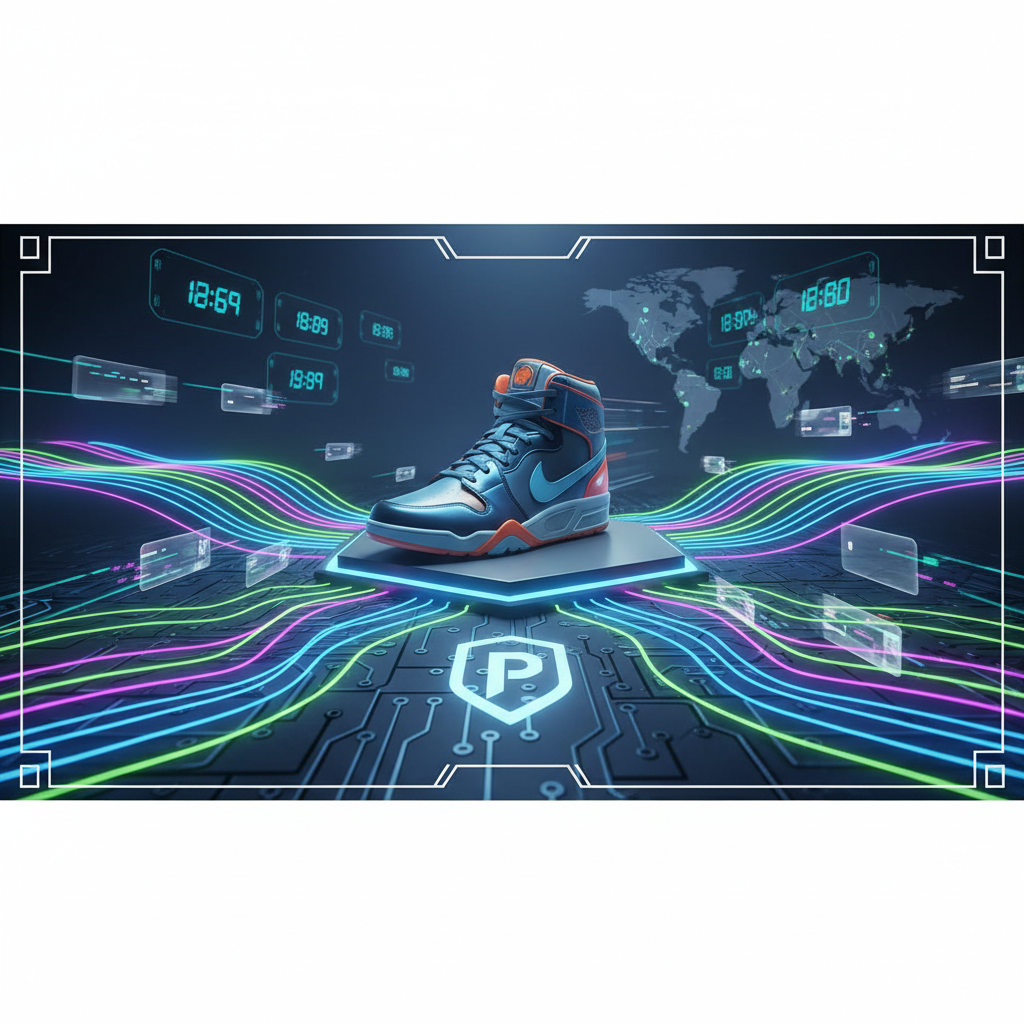
TL;DR: Winning limited edition sneaker drops in 2026 requires more than just fast fingers; it requires automation and infrastructure. By mastering sneaker botting basics and utilizing high-speed residential and mobile proxies, enthusiasts can bypass regional restrictions and anti-bot measures to secure the most coveted releases.
How to Win Every Sneaker Drop: The Role of High-Speed Proxies
The landscape of sneaker collecting has shifted from physical queues outside storefronts to high-stakes digital battles. In 2026, the delta between a "Got 'Em" notification and a "Sold Out" screen is measured in milliseconds. If you are trying to buy limited edition drops manually, you are competing against thousands of automated scripts designed to checkout faster than a human can blink.
To level the playing field, you must understand the infrastructure behind modern reselling. Winning consistently involves a combination of automated software and, most importantly, high-speed proxies. Proxies act as your digital shield and your passport, allowing you to bypass the strict security protocols found on major retail sites.
Understanding Sneaker Botting Basics
Before diving into the technicalities of IP addresses, one must grasp the sneaker botting basics. A sneaker bot is an automated software application designed to complete the checkout process on retail websites at extraordinary speeds. These bots simulate human behavior but at a scale and velocity that no person could match.
The Anatomy of a Drop
When a high-heat pair of sneakers releases, thousands of users hit the website simultaneously. Retail servers use complex algorithms to determine who gets a pair. They look for specific signals: Is the user a real person? Is the request coming from a data center? Has this specific user already purchased a pair?
Why Bots Need Support
A bot on its own is just a script. If you run a bot from your home computer using your standard home internet connection, the retail site will see hundreds of requests coming from a single IP address. This triggers an immediate ban. To avoid this, botters use proxies to mask their true identity and location.
The Critical Role of High-Speed Proxies
A proxy acts as an intermediary between your bot and the retail server. When you use a proxy, the website sees the IP address of the proxy server rather than your actual home IP. This is a fundamental concept in networking; if you are new to this, understanding what is a proxy is the first step toward building a successful setup.
Bypassing Geographic Restrictions
Many limited edition drops are region-locked. A sneaker release might happen exclusively in Tokyo or London. By using a proxy located in those specific cities, you can trick the server into thinking you are a local resident, granting you access to inventory that would otherwise be blocked.
Avoiding Rate Limiting and IP Bans
Retailers use "Rate Limiting" to prevent bots from spamming their servers. If one IP sends 20 requests in one second, it is flagged. Professional sneaker botters use thousands of proxies simultaneously. This spreads the requests across a massive pool of IP addresses, making the automated traffic look like thousands of individual, legitimate shoppers from around the world.
Types of Proxies Used for Limited Edition Drops
Not all proxies are created equal. In 2026, the sophistication of anti-bot software (like Akamai, Cloudflare, and Datadome) means you need specific types of proxies to succeed on different platforms.
Residential Proxies
Residential proxies are IP addresses assigned by Internet Service Providers (ISPs) to real homeowners. Because these IPs look like genuine residential traffic, they are much harder for retailers to detect and block. They are the gold standard for most limited edition drops.
Datacenter Proxies
These are high-speed IPs generated in massive server farms. Their primary advantage is raw speed—they offer the lowest latency possible. However, because they belong to known data centers, many "footsites" (like Foot Locker or Champs) block them instantly. They are best used on sites with weaker security or for "restocks" where speed is the only factor that matters.
ISP Proxies (Static Residential)
ISP proxies offer the best of both worlds. They are hosted in data centers for high speed but are registered under ISP names (like Comcast or Verizon). This gives them the speed of a datacenter proxy with the trust score of a residential proxy.
Mastering Footsites Proxies and Shopify Drops
Different websites require different strategies. For instance, footsites proxies must be chosen specifically to handle the high-intensity filtering used by major athletic retail chains.
The Shopify Challenge
Shopify hosts many of the most popular sneaker boutiques. Their security is notorious for the "Password Page" and "Queue." For these drops, you need proxies that can handle heavy rotation. If one IP gets stuck in a queue for too long, the bot must be able to switch to a fresh IP instantly.
Navigating Nike SNKRS and Adidas Confirmed
The SNKRS app uses a lottery (draw) system rather than a "first-come, first-served" model. Here, the number of entries matters more than raw speed. Using rotating residential proxies is essential here, as it allows you to enter hundreds of accounts from unique IPs without the app linking them together and disqualifying your entries.
The Technical Setup: Latency and Location
In 2026, the physical distance between your proxy and the retailer’s server can determine your success. This is known as latency, measured in milliseconds (ms). If your proxy is in California and the retail server is in Virginia, you are at a disadvantage.
Server Colocation
Professional botters often run their software on Virtual Private Servers (VPS) located in the same data centers as the retail servers. By placing your bot and your proxies in a New York data center to target a New York-based retailer, you reduce your "ping" to near zero.
SOCKS5 vs. HTTP Proxies
For sneaker botting, SOCKS5 is often preferred over standard HTTP proxies. SOCKS5 is more versatile and provides a faster, more secure connection that is harder for advanced anti-bot measures to inspect and intercept.
Preparing for a 2026 Sneaker Release
Preparation starts 24 to 48 hours before the drop. A successful run involves more than just turning on a bot.
- Task Creation: Set up your bot tasks with a variety of profiles (different names, credit cards, and addresses).
- Proxy Testing: Use a proxy tester to ensure your IPs are not banned on the target site and that their latency is low.
- Cookie Generation: Many sites require "cookies" to prove you are a human. High-quality proxies help in generating these cookies without being detected as a bot.
- Monitoring: Use "monitors" to alert your bot the moment a product link goes live or a shock drop occurs.
Avoiding Common Pitfalls in Sneaker Botting
The most common reason for failure isn't the bot—it's the proxy quality. Using "free" or public proxies is a guaranteed way to get banned. These IPs are already blacklisted by every major retailer.
Furthermore, failing to "warm up" your accounts or using the same credit card across too many tasks will lead to cancellations. The goal is to appear as a unique, legitimate customer across every single task your bot runs.
Concluzii cheie
- Speed is King: In 2026, manual checkout is nearly impossible for top-tier releases; automation is a requirement.
- Quality Over Quantity: A few high-quality residential or ISP proxies are better than thousands of cheap datacenter IPs that are flagged instantly.
- Diversity Matters: Use a mix of proxy types and providers to ensure that if one network is compromised, your entire setup doesn't fail.
- Geographic Advantage: Always choose proxy locations as close to the retail servers as possible to minimize latency.
- Stay Updated: Retailers constantly update their security; staying successful requires constant learning of sneaker botting basics and infrastructure trends.